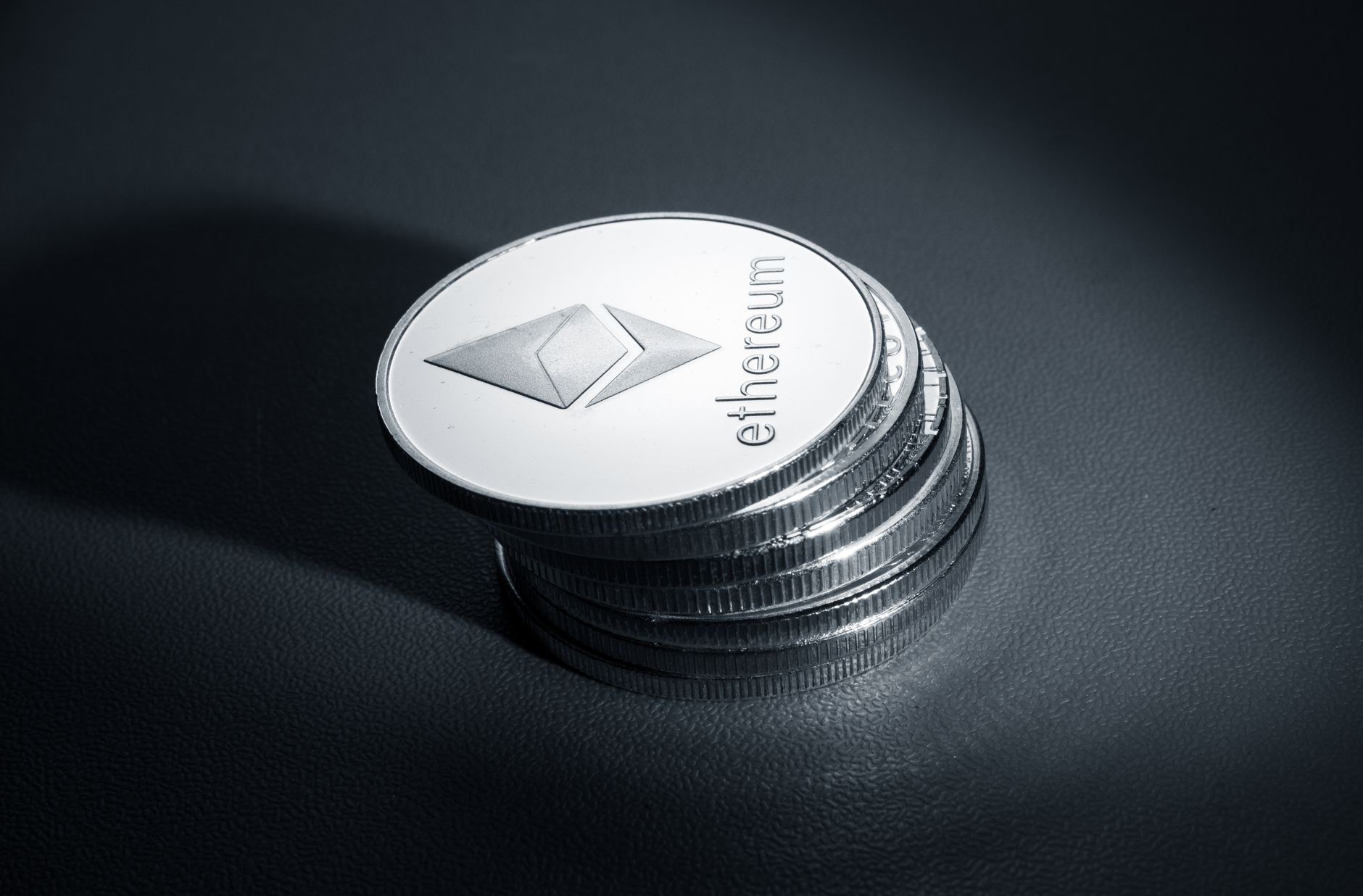
Ethereum's Edge: Why Smart Contracts & Scalability Are Game Changers (Explainer, Common Questions)
Ethereum didn't just introduce a cryptocurrency; it pioneered the concept of smart contracts, self-executing agreements with the terms directly written into code. This innovation fundamentally alters how we conduct transactions and interact online, moving beyond simple value transfer to create decentralized applications (dApps) for everything from finance (DeFi) to gaming and supply chain management. Imagine a world where lawyers and intermediaries are replaced by immutable code, ensuring transparency and reducing fraud. This technological leap has positioned Ethereum as a foundational layer for Web3, fostering an explosion of innovation and attracting a massive developer community. The ability to programmatically enforce agreements without a central authority is a paradigm shift, unlocking unprecedented possibilities for automation and trustless interactions.
However, the initial success of Ethereum brought its own set of challenges, primarily concerning scalability. As dApp usage surged, the network experienced congestion and high transaction fees, hindering mainstream adoption. Ethereum's ongoing upgrades, most notably the transition to Ethereum 2.0 (now known as the 'Merge' and subsequent 'Surge,' 'Verge,' 'Purge,' and 'Splurge' phases), are directly addressing these limitations. Key developments include:
- Proof-of-Stake (PoS): Drastically reducing energy consumption and enabling sharding.
- Sharding: Dividing the network into smaller, more manageable segments to process transactions in parallel.
- Layer 2 Solutions: Technologies like rollups (Optimistic and ZK-rollups) that process transactions off-chain, then batch them onto the mainnet, significantly increasing throughput.
Experience the future of online gaming with a tron casino, offering fast transactions and exciting games. These innovative platforms leverage the TRX cryptocurrency for seamless deposits and withdrawals, providing a decentralized and transparent gambling experience. Enjoy a wide array of slots, table games, and live dealer options, all powered by the Tron blockchain.
Playing the Field: How to Pick an Ethereum Casino & What to Look For (Practical Tips, Common Questions)
Navigating the burgeoning landscape of Ethereum casinos can feel like a high-stakes poker game in itself. To make an informed decision, prioritize platforms with robust security measures, including provably fair gaming algorithms and strong encryption. Look for a diverse game library that caters to your preferences, whether you're a fan of slots, table games, or live dealer experiences. Consider the casino's reputation by checking independent reviews and community feedback. A transparent platform will clearly outline its licensing and regulatory compliance, offering peace of mind that your funds and data are protected. Don't overlook the importance of responsive customer support, ideally available 24/7 through multiple channels like live chat and email, to address any queries or issues promptly.
When you're ready to play the field, keep an eye out for enticing bonuses and promotions, but always read the terms and conditions carefully. High wagering requirements can often diminish the value of seemingly generous offers. Evaluate the ease of deposits and withdrawals, ensuring they are swift and utilize standard Ethereum wallet integrations. A good Ethereum casino will also have a clear and comprehensive FAQ section to answer common questions regarding account management, transaction limits, and responsible gaming policies. Finally, consider the overall user experience – a well-designed, intuitive interface can significantly enhance your gaming enjoyment. Prioritize platforms that demonstrate a commitment to user satisfaction and a secure, enjoyable gambling environment.