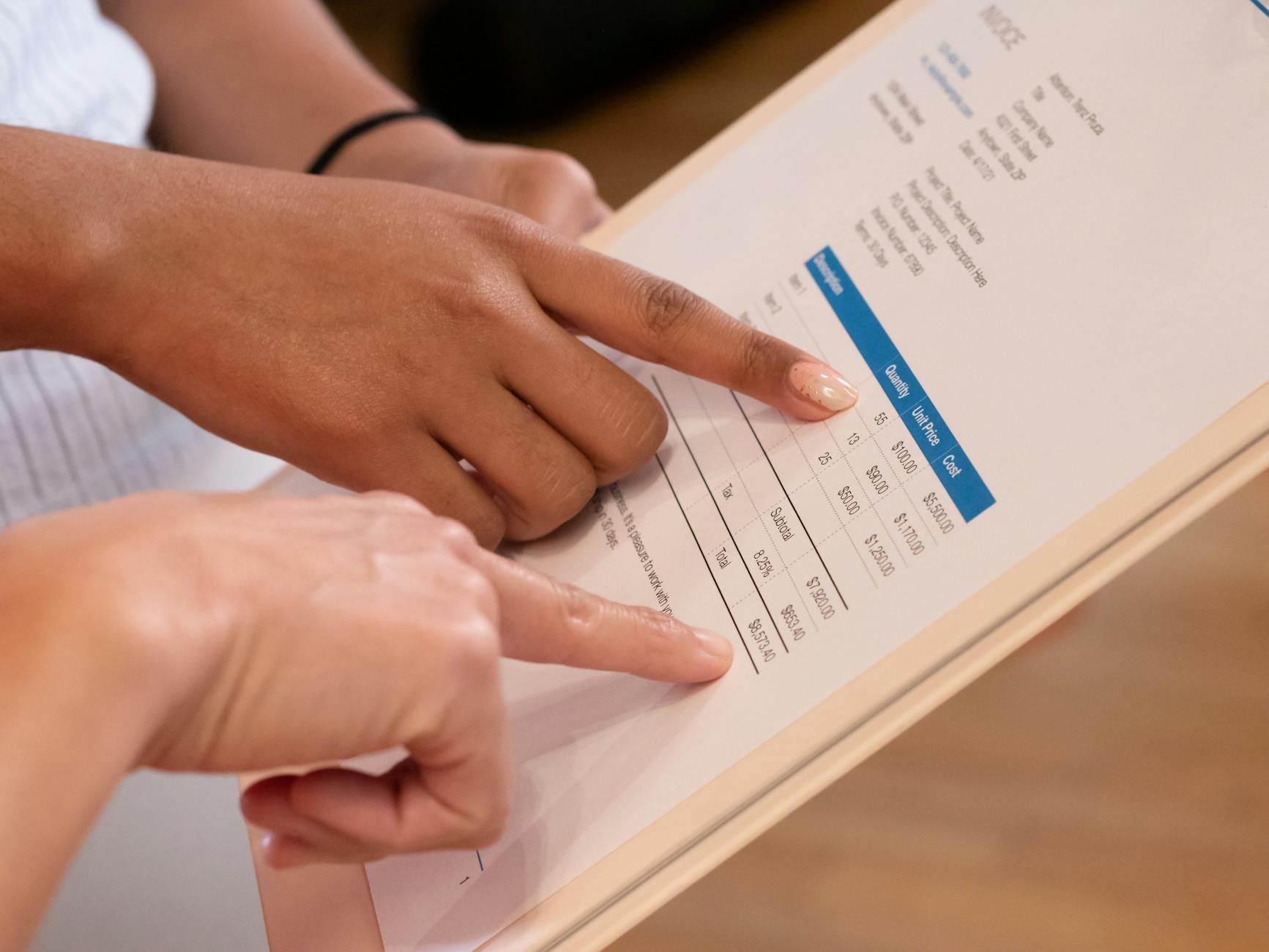
Understanding E-invoicing in the UAE: Your Roadmap to Compliance (Explainer, FAQs & Future Prospects)
The United Arab Emirates (UAE) is rapidly advancing its digital transformation agenda, and e-invoicing stands as a cornerstone of this initiative. Understanding the upcoming mandates is critical for every business operating within the Emirates, from small enterprises to large corporations. The shift from traditional paper-based invoicing to electronic systems isn't just about modernizing processes; it's a strategic move to enhance transparency, reduce fraud, and streamline VAT compliance. Businesses need to comprehend the specific requirements, including data formats, submission methods, and integration possibilities with existing accounting software. Failing to prepare for these changes could lead to significant operational disruptions and potential penalties. This comprehensive guide aims to be your definitive resource, demystifying the regulations and offering a clear roadmap to ensure your business remains compliant and competitive in the evolving digital landscape.
Navigating the intricacies of e-invoicing in the UAE requires a proactive approach and a clear understanding of both current regulations and future prospects. We'll delve into frequently asked questions (FAQs) that address common concerns, such as:
- What data elements are mandatory for e-invoices?
- Which platforms or service providers are approved for e-invoice submission?
- What are the timelines for different business sectors to adopt e-invoicing?
The UAE has introduced a new e-invoicing law as part of its broader digital transformation strategy, aiming to streamline tax processes and enhance transparency. Businesses operating in the UAE need to understand and comply with the specific requirements of the UAE E-invoicing law, which dictate the format, transmission, and storage of electronic invoices. This mandate is set to significantly impact financial operations and require technological adaptations across various sectors.
Practical Steps for Businesses: Implementing E-invoicing & Avoiding Pitfalls (Tips, Tools & Common Challenges)
Embarking on your e-invoicing journey requires a strategic approach. Start by conducting a thorough internal audit to understand your current invoicing processes, identifying bottlenecks and areas for improvement. This initial assessment helps in selecting the right tools, as solutions range from simple cloud-based platforms ideal for SMEs (e.g., Xero, QuickBooks) to more robust, integrated ERP systems for larger enterprises (e.g., SAP Ariba, Oracle NetSuite). Crucially, don't underestimate the importance of change management. Effective communication with employees about the benefits and new workflows is paramount. Consider phased implementation, perhaps starting with a pilot group, to iron out any unforeseen issues before a full rollout. Remember, choosing a solution that offers scalability and compliance with relevant national and international standards (like Peppol for cross-border transactions in Europe) will future-proof your investment.
Avoiding common pitfalls often hinges on meticulous planning and vendor selection. A significant challenge can be integrating new e-invoicing software with existing accounting systems; ensure your chosen solution offers robust API capabilities or pre-built connectors. Data security and compliance are non-negotiable; always prioritize vendors with strong encryption, regular security audits, and adherence to data protection regulations like GDPR. Another frequent hurdle is managing resistance to change internally and externally with suppliers/customers. Provide comprehensive training and clear documentation for your team, and offer support and guidance to your trading partners to facilitate their adoption. Finally, don't overlook the ongoing maintenance and updates required. Regulatory landscapes evolve, and your e-invoicing solution should be flexible enough to adapt, ensuring continuous compliance and optimal performance.