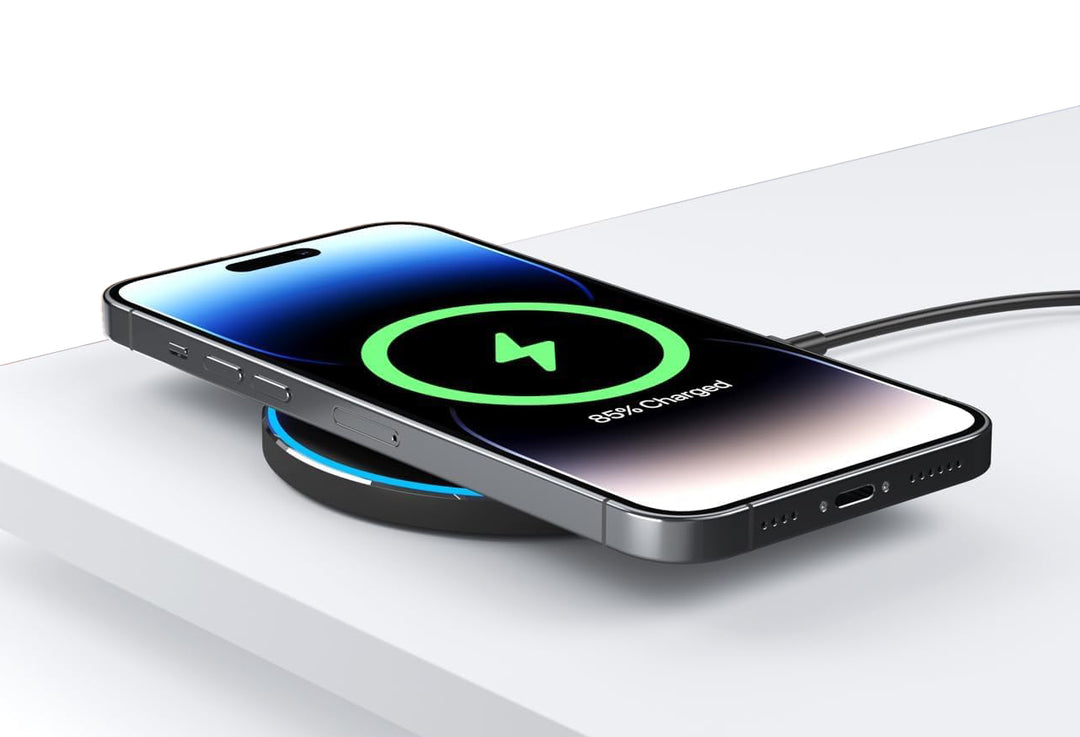
The Evolution of Charging: How Wireless Technology is Reshaping Our Devices
The landscape of charging technology has undergone a dramatic transformation over the past few years, significantly influenced by advancements in wireless technology. Initially, charging solutions were predominantly wired, with cumbersome cables and connectors dictating how and where we could power our devices. However, as the demand for convenience grew, the market began to embrace innovative charging solutions. Wireless charging has emerged as a game-changer, eliminating the need for physical connectors and allowing users to power up their smartphones, tablets, and wearables with ease. This shift not only enhances user experience but also paves the way for a more seamless integration of technology into our daily lives.
As we look towards the future, the potential of wireless charging technology seems limitless. With the rise of standards like Qi and the introduction of fast wireless charging, manufacturers are pushing the envelope further, making it possible to charge devices quickly without the hassle of cords. Additionally, innovations such as over-the-air charging and the incorporation of charging capabilities into furniture and public spaces are on the horizon. As these advancements continue to evolve, we can expect a significant impact on how we interact with our devices, creating a world where being tethered to a power source is a thing of the past.
Counter-Strike is a highly popular team-based first-person shooter that has captivated gamers since its initial release in 1999. Players engage in tactical battles, taking on the roles of terrorists and counter-terrorists in a bid to outsmart their opponents. Alongside gaming gear, players often look for essentials to enhance their experience, such as Top 10 Wireless Chargers for Pixel Devices. The strategic depth and fast-paced action make Counter-Strike a staple in competitive gaming.
Are Wireless Chargers Safe for Your Devices? Debunking the Myths
Wireless chargers are convenient and widely adopted, but many users are concerned about their safety. One common myth is that they can overheat devices, leading to battery damage. However, most modern wireless chargers are equipped with advanced safety features, including temperature control and foreign object detection. This means that they reduce the risk of overheating and discharging issues, making them safe for your devices. Additionally, the International Electrotechnical Commission (IEC) has set safety standards for wireless charging, ensuring that reputable products meet stringent guidelines.
Another misconception surrounding wireless charging is that it is less efficient than traditional wired charging, leading to prolonged charging times and potential wear on a device's battery. While it is true that wireless charging typically has a slightly lower efficiency due to energy loss through heat, advancements in technology have significantly improved this aspect. Many high-quality wireless chargers can deliver power very efficiently, and when used correctly, they can be just as safe for your devices as their wired counterparts. Ultimately, maintaining good charging habits, such as using the right charger and avoiding extreme temperatures, can enhance the longevity of your device's battery.
The Future of Charging: What’s Next for Wireless Technology?
As we look to the future of charging, wireless technology is poised to revolutionize the way we power our devices. Traditional charging methods, reliant on physical plugs and cables, are quickly becoming obsolete. Innovations such as inductive charging and resonant charging are paving the way for a more seamless experience. For instance, ambitious projects are exploring charging pads embedded in furniture, thus allowing our smartphones, tablets, and laptops to charge simply by being placed on a surface. This shift towards complete cable-free environments promises to enhance user convenience significantly.
Furthermore, the trend is moving towards long-range wireless charging, which would allow devices to be charged within a certain proximity without direct contact. Companies are investing in ultra-efficient power transfer techniques that can cover greater distances, potentially enabling charging in public spaces like cafes and restaurants. As we progress, the implementation of smart technology into wireless charging systems will play a crucial role. This could mean adapting charging speeds based on device needs or user habits, paving the way for an intelligent charging ecosystem that caters to our daily routines.